
How to Filter Discharge Water with Dewatering Bags

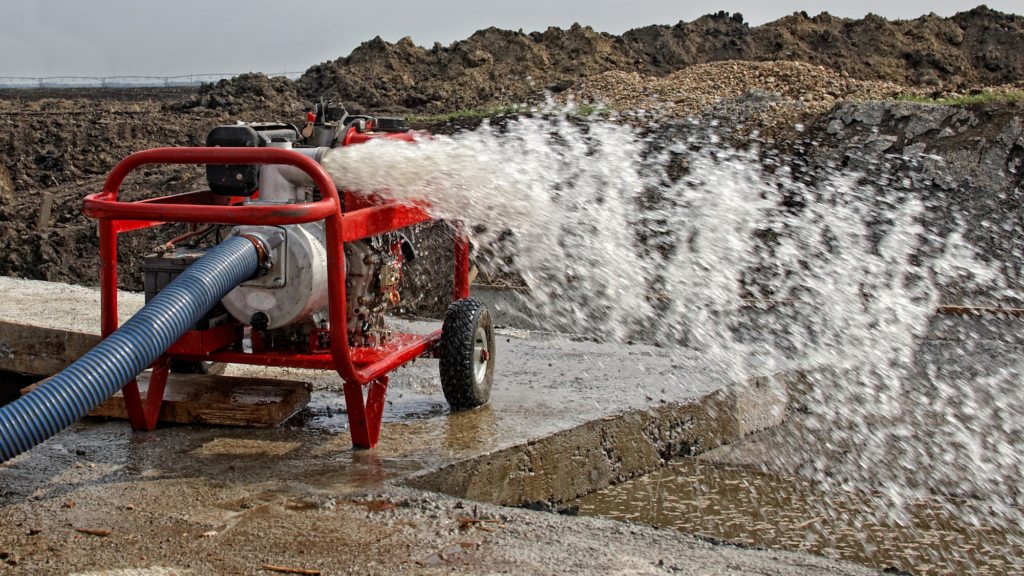
A pump spraying large amounts of water out of it while dewatering a construction site.

Pumping water off a jobsite sounds simple until an inspector shows up and asks where that water is going. Dewatering bags solve the problem: they filter sediment out of pump discharge before it reaches a storm drain, ditch, or creek. Get the size, placement, or fabric wrong, and you’re patching a blown seam instead of finishing your pour. Here’s how to set one up right the first time.

Key Takeaways

  • Match bag size to your pump’s discharge rate, not the other way around. An undersized bag blows out at the seams.
  • Set every bag on stable, vegetated ground or a gravel pad, never bare soil or straight onto a storm drain.
  • Replace or empty a bag once sediment fills about a third of its volume. A packed bag stops filtering and starts leaking.

How a Dewatering Bag Works

A dewatering bag is a large fabric sack, usually woven or non-woven geotextile, that connects to your pump’s discharge hose. Water flows in, and the fabric holds back soil particles while cleaner water seeps out through the sides. The weave sets the tradeoff: tighter fabric catches finer sediment but drains slower, while a more open weave drains faster and lets more fines through. Most SWPPP-governed sites need a weave tight enough to keep discharge visibly clear.

Sizing: Matching Bag to Pump Output and Job Duration

Bag size should follow your pump, not the other way around. A pump moving more water per minute than the bag can process will pond up, stress the seams, and eventually blow out, which is both a compliance problem and a cleanup headache.

Job duration matters too: a short trench job might run through one bag start to finish, while a longer excavation or heavy groundwater intrusion often needs a rotation of bags. If you’re not sure which size matches your pump’s output, bring the specs to either Stevenson location and the team can help you pick.

Placement: Where to Set It and What to Set It On

Set the bag on flat, stable ground that can absorb or disperse the water that seeps through: a vegetated area or gravel pad works well. Bare soil erodes under the weight of a full bag, and a slope sends that filtered water somewhere you didn’t intend.

Keep the bag well clear of storm drains, ditches, and waterways, with enough room for the discharge water to spread and infiltrate first. Many contractors add a layer of gravel or straw underneath and around the bag to reinforce the ground and catch any fines that slip through the fabric.

Gravel Bags as Check Dams and Inlet Protection

Gravel bags do a different job than dewatering bags, but the two often work together on the same site. Stacked across a ditch or swale, they act as a check dam, slowing water so sediment has time to settle before it moves downstream. Placed around a storm drain inlet, the same bags filter runoff before it enters the system.

For tight spots where a stack of gravel bags won’t fit, snake bags are a flexible, low-profile option that shapes to curbs and corners.

When the Bag Is Full: Signs and Disposal

Watch for a bag that’s visibly bulging, draining slower than it did on day one, or letting water pool at the base instead of passing through. Any of those signs means it’s time to swap it out, ideally once sediment fills about a third of the bag rather than waiting for it to fail.

Dried sediment typically needs to be handled according to your site’s SWPPP and local disposal rules, so check the plan or your municipality before hauling anything away.

Inspection-Ready: What an Inspector Looks For

An inspector walking a SWPPP-governed site is usually checking a short list: is the bag on stable ground away from drains, is the discharge water visibly clear, is there ponding or erosion around the bag, and are secondary controls like gravel bags or wattles in place. They also want to see BMPs maintained, not just installed once and forgotten.

What to Do Next

  1. Confirm your pump’s output. Check its gallons-per-minute rating, and call a Stevenson location if you’re not sure what bag size that translates to.
  2. Pick a stable site. Choose flat, vegetated or gravel ground with room for water to spread, well clear of drains, slopes, and waterways.
  3. Add secondary controls. Stage gravel bags or wattles around the discharge zone so any fines that get past the bag still get caught.


Safety note: A full dewatering bag is heavy and can shift or split under load. Keep foot traffic clear of the discharge area while the pump is running.

Get the Right Dewatering Bag for Your Site

Erosion control supplies in Sonoma County move fast when a pump is running and an inspection is on the calendar. Stevenson Supply stocks dewatering bags, gravel bags, and snake bags at both locations. Call ahead with your pump’s specs and the team will help you get the sizing right before your next discharge.

Reach out to Stevenson Supply & Tractor Co today!

🌐 Contact us online

📞 Call us: (707) 575-3335

💲 Get an Estimate

Frequently Asked Questions

What Is a Dewatering Bag Used For?

A dewatering bag filters sediment out of water pumped from an excavation, trench, or other jobsite source before that water leaves the site. It’s a standard BMP for meeting SWPPP discharge requirements on construction sites.

How Do I Know What Size Dewatering Bag I Need?

Match the bag to your pump’s gallons-per-minute output, not just the volume of water you expect to move. An undersized bag for a high-output pump will pond and eventually fail at the seams, so bring your pump specs to a Stevenson location for help picking the right size.

Can I Reuse a Dewatering Bag?

It depends on how full it got and how the fabric held up. A bag packed with sediment typically can’t filter effectively even once emptied, so most contractors treat them as single-use per job.

What's the Difference Between a Dewatering Bag and a Gravel Bag?

A dewatering bag filters pumped water directly, holding sediment back while water passes through the fabric. A gravel bag doesn’t filter water itself; it’s stacked as a check dam or to shield a storm drain inlet from runoff. Many sites use both together.

Do I Need SWPPP Approval to Use a Dewatering Bag?

Most SWPPP-governed sites already specify dewatering bags or an equivalent BMP in the plan, so check your site’s SWPPP before setting one up. If dewatering wasn’t anticipated, talk to your compliance contact first, since discharge rules can vary by site.