
How to Control Stormwater Runoff?

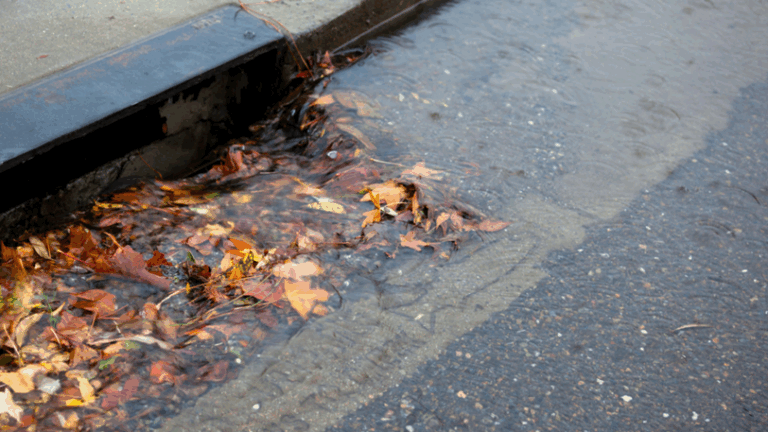
A clogged storm drain surrounded with water pooling all around it.

Fall and winter projects in NorCal deal with rain more than any other time of year. If you’ve got projects scheduled during the rainy season, your job site is at risk of becoming a swamped up mess. Clogged drains, muddy cleanups, and the heightened safety risks are just a few of the ways that failing to manage your erosion control can come back to bite you.

Having the right erosion control products in Solano County, and knowing how to use them, is essential to getting your job done safely, correctly, and on schedule.

That’s where wattles and silt fences come in. These two simple tools are the backbone of erosion control on construction sites all over Solano, Marin, Sonoma, and beyond. When installed the right way, they keep your site compliant, protect nearby waterways, and save you from rework.

Let’s break down how to use them effectively:

Wattles: Your First Line of Defense

Wattles (also called fiber rolls or straw wattles) are long, sausage-shaped tubes made from straw, coconut fiber, or other natural materials. They’re designed to slow down water so sediment has a chance to settle out instead of running offsite.

Where to Use Them

Wattles are best used:

  • On slopes to slow down sheet flow.
  • Around storm drain inlets.
  • Along contours or low points where water tends to collect.

How to Install Them

Getting wattles in place isn’t complicated, but there’s a right way to do it:

  1. Prep the area. Knock down any loose clods and shape the soil so the wattle sits snug against it.
  2. Dig a small trench. About 2–3 inches deep, this keeps water from sneaking underneath.
  3. Stake it down tight. Use wooden stakes every 3–4 feet. No gaps allowed.
  4. Overlap the ends. Overlap by at least 6 inches so water can’t cut through.
  5. Check after rain. Replace or re-stake if they shift or start to sag.

Keep Them Working

Clean them out once sediment builds up to about a third of their height, and swap out any broken or soggy wattles before they fall apart.

They’re easy to install, easy to maintain, and one of the best erosion control products Solano County crews use day in and day out.

Silt Fences: The Backup Barrier

Silt fences are those black fabric fences you see around job sites. They’re designed to let water through while holding back the dirt. Simple, cheap, and effective, if installed correctly.

Where to Use Them

Use silt fences:

  • Around the edges of disturbed areas.
  • Along the bottom of slopes.
  • Anywhere water might leave your site as sheet flow (not in ditches or concentrated flow).

How to Install a Silt Fence That Works

  1. Dig a trench. About 6 inches deep and 4 inches wide.
  2. Bury the fabric. Tuck the bottom of the fence into the trench before backfilling.
  3. Compact the soil. This locks the fabric in place and prevents washouts.
  4. Stake it tight. Drive stakes every 6–8 feet, about a foot deep.
  5. Keep it taut. A sagging fence won’t catch much sediment.

Maintaining It

Check fences after every storm. If you see sagging, rips, or a big buildup of sediment (a third of the height or more), clean or replace it right away.

Done right, a silt fence can trap most of the sediment trying to escape your site, making it one of the best bangs for your buck in erosion control.

Teaming Up: Wattles + Silt Fences

On most job sites, using both wattles and silt fences gives you the best protection. Here’s how:

  • Use wattles on slopes to slow the flow and filter out bigger debris.
  • Use silt fences at the bottom to catch the finer stuff before it hits the street or storm drains.


This layered setup gives you extra insurance against runoff and it’s something inspectors like to see.

Avoid These Common Mistakes

Even simple tools can fail if they’re installed wrong. Watch out for these slip-ups:

  • Leaving gaps or poor contact with the soil.
  • Installing wattles or fences where water channels together.
  • Forgetting to check them after a storm.
  • Reusing damaged or rotted materials.


A few minutes of maintenance after a rainstorm can save hours of cleanup later.

Getting the Right Erosion Control Products in Solano County

At Stevenson Supply & Tractor Co., we’ve been helping contractors, project managers, and developers stay compliant for over a century. From wattles and silt fences to geotextiles and inlet protection, we carry the erosion control products Solano County crews depend on, delivered on time and ready to go.

Contact us online now, stop by our location, or give us a call at (707) 575-3335 to speak with one of our experts.

Our team knows construction, not just sales. We’ll help you choose the right setup for your site so you can stay focused on the work, not the paperwork.

Share the Post: