
Geotextiles: The Backbone of Marin County Construction Projects

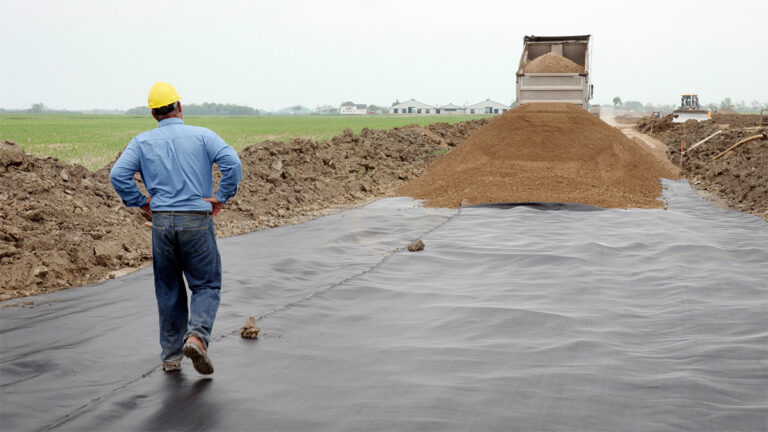
A construction worker walks on geotextile fabric that is being covered by dirt.

Geotextiles don’t exactly get the spotlight. You don’t see folks lining up to talk about the fabric under your driveway. But if you’ve ever dealt with sinking soil, standing water, or a crumbling hillside, geotextile cloth might be your new best friend.

At Stevenson Supply & Tractor Co., we’ve spent over a century helping folks build better, and geotextile cloth Marin County is one of the hardworking materials that make all the difference. Are you a contractor in Marin County, here’s what you need to know.

So, What Is Geotextile Fabric Anyway?

In simple terms, geotextiles are engineered fabrics that go under or around your construction work. Their main job? Let water through while keeping soil right where it belongs.

Most are made from tough synthetics like:

  • Polypropylene
  • Polyester

These materials don’t rot, don’t care about moisture, and they hold up for the long haul. You’ll usually find them in rolls, and they come in two main types: woven and non-woven.

Woven vs. Non-Woven: What’s the Difference?

🧵 Woven Geotextiles

These are made by weaving threads together—think of a sturdy, synthetic cloth.

Best for:

  • Roads and driveways
  • Laydown yards
  • Platforms over soft ground

Why use it?

  • High strength
  • Great load distribution
  • Keeps your base layers stable

🪡 Non-Woven Geotextiles

This type is more like felt—fibers bonded together without weaving.

Best for:

  • French drains
  • Behind retaining walls
  • Under riprap

Why use it?

  • High water flow
  • Keeps soil out of drainage systems
  • Flexible and easy to work with

💡 Not sure what you need? Our crew at Stevenson Supply will help you match the right fabric to your soil, slope, and project specs.

Real-World Uses in Marin County

Marin’s mix of coastal moisture, hillside terrain, and clay-heavy soils means geotextiles come in handy all over the place.

🛣️ Under Roads & Driveways

⛰️ On Slopes & Embankments

  • Stops erosion without blocking water
  • Keeps soil locked in while letting rain drain out
  • Often paired with rock or erosion blankets

💧 In Drainage Systems

🧱 Behind Retaining Walls

  • Separates layers of soil and gravel
  • Prevents pressure buildup from trapped water
  • Adds long-term stability

🗑️ Landfills & Environmental Projects

  • Separates waste from soil layers
  • Protects liners and drainage systems
  • Helps manage runoff and gases

Why Builders Rely on Geotextiles

Here’s why these fabrics have become must-haves:

1. Stronger Foundations

They keep things from shifting by reinforcing the soil and holding layers together.

2. Better Drainage

They allow water through but keep soil out—key for preventing backups and erosion.

3. Saves Money in the Long Run

Fewer repairs, less settling, and longer-lasting results mean geotextiles pay for themselves.

4. Supports Sustainability

Geotextiles help prevent runoff and protect groundwater—an eco-friendly win.

5. Workhorse Versatility

From backyard retaining walls to big municipal builds, these fabrics scale with the job.

Choosing the Right Geotextile: What to Consider

Picking the right fabric isn’t rocket science, but it does take a little know-how:

  • Soil Type: Sandy? Clay-heavy? The fabric needs to match.
  • Project Needs: Load-bearing? Drainage? Erosion control?
  • Environment: Will it be exposed to chemicals, water, or weather?
  • Budget: Thankfully, geotextiles are pretty affordable—but choose smart for long-term savings.

Basic Steps for Installation

Every job is a little different, but here’s the general process:

  1. Prep the Site – Smooth things out and clear debris.
  2. Roll Out the Fabric – Overlap seams and secure it well.
  3. Add Your Base Layer – Whether it’s gravel, rock, or soil, lay it carefully to avoid damage.
  4. Compact in Lifts – Follow your specs, and don’t drive sharp equipment on uncovered fabric.
  5. Inspect & Maintain – Check it after storms and make sure water flows like it should.

Frequently Asked Questions

Do I need geotextile under my gravel driveway?

If you’re building on soft or sloped ground (like much of Marin County), it’s a smart move. It helps prevent mixing of soil and gravel and cuts down on future repairs.

Can I install it myself?

Small residential jobs? Absolutely. For anything structural or large-scale, we always recommend talking to a pro or following an engineer’s plan.

Where can I buy geotextile cloth near Marin County?

Right here at Stevenson Supply & Tractor Co.! We carry both woven and non-woven geotextiles in stock and can help you pick the right roll for your job.

For Projects Built to Last – Stevenson Supply & Tractor Co.

Geotextile cloth might not be the flashiest material on the jobsite, but it’s one of the most important. Whether you’re shoring up a slope, building a driveway, or laying pipe, choosing the right geotextile makes your work stronger and longer-lasting.

At Stevenson Supply & Tractor Co., we’ve been helping Bay Area builders get the right materials since 1908. Swing by or give us a call—we’re happy to help you find exactly what you need.

📞 (707) 575-3335

Share the Post: