
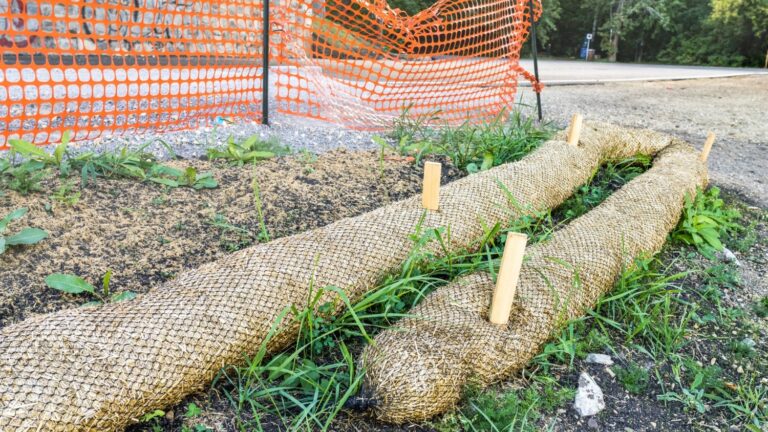
If you’ve been around Marin County long enough, you know February doesn’t mess around. The rain comes fast, the hills start to shine green, and every slope suddenly reminds you why erosion control is more than just another line item in your project budget.
At Stevenson Supply & Tractor Co., we’ve spent over a century helping contractors, landowners, and vineyard managers protect their sites from California’s wet winters. We’ve seen it all, washed-out slopes, clogged drains, soggy blankets, and last-minute scrambles to meet SWPPP inspections.
The good news? With the right prep, you can keep your project moving no matter what Mother Nature throws at you.
Let’s break down the best erosion control strategies to get your site rain-ready, complete with tested products (from wattles to erosion control blankets in Marin County), pro tips, and a healthy dose of hard-earned experience.
If you’ve made it this far, great! But if you’re short on time or need the highlights before the next rain hits, here’s the quick version.
Plan early. Heavy rains mean higher runoff and faster erosion, so get your controls in place before the storms arrive.
A straw-coconut (coir) erosion control blanket offers the best balance of durability and vegetation support for Marin’s soils and slopes.
Install both before grading finishes. They slow down water, trap sediment, and keep inspectors happy.
Use gravel bags, check dams, and inlet protection to manage flow and prevent flooding around drains or driveways.
Construction mats and rock entrances reduce offsite tracking and muddy cleanup headaches.
It’s fast, eco-friendly, and perfect for re-vegetating large slopes after grading or construction.
After every storm, walk your site. Fix what’s loose, replace what’s damaged, and reseed any bare spots.
Biodegradable and locally sourced materials keep your project compliant and environmentally responsible.
Work with local experts, like Stevenson Supply & Tractor Co., who know Marin’s soil, rainfall patterns, and compliance standards.
Bottom line: erosion control isn’t just about staying dry, it’s about staying prepared.
When it rains in Marin County, it really rains. Those rolling hills that make the region so beautiful can turn into mudslides if they’re left unprotected.
If you’re working on a new build, slope repair, or vineyard expansion, you’re not just fighting runoff, you’re fighting gravity.
Here’s what happens when erosion gets ahead of you:
That’s why planning ahead is essential and it all starts with understanding your site.
Every project site is different. What works for a vineyard slope in Novato might not cut it for a hillside commercial building in Santa Rosa.
Before the first big rain, take time to walk your site and note where water collects, where it runs fast, and where it might cause trouble. Look for:
A little fieldwork upfront can save you hours of cleanup later. Once you’ve identified problem zones, you can pick the right mix of products, from wattles to erosion control blankets Marin County crews count on, to keep things in check.
If there’s one product that pulls its weight during Marin’s rainy season, it’s the erosion control blanket. Think of it as a security blanket for your soil, it keeps things together until vegetation can take over.
Whether you’re hydroseeding a slope, stabilizing a roadside ditch, or restoring a drainage channel, blankets give your seeds a fighting chance to grow instead of washing away.
Here’s what to consider when choosing the right erosion control blanket Marin County conditions demand:
Material | Best Use | Durability | Why It Works |
Straw | Gentle slopes, fast germination | 6–12 months | Ideal for quick re-vegetation |
Excelsior (wood fiber) | Moderate slopes or ditches | 12–18 months | Holds moisture, breaks down cleanly |
Coir (coconut fiber) | Steep or high-flow areas | 24–36 months | Extremely durable and eco-friendly |
Jute Mesh | Landscaping and light erosion | Up to 12 months | 100% biodegradable and easy to install |
Synthetic (polypropylene) | Long-term stabilization | Indefinite | Great for channels and public works |
In Marin’s wet winters, a straw-coconut blend blanket is the local favorite, it’s strong enough to handle intense rain but still lets grass and native plants grow naturally.
And remember: even the best blanket fails if it’s installed wrong. Smooth your slope, seed first, overlap 3–6 inches, and staple every 12 inches along edges.
When it comes to keeping sediment in check, straw wattles and silt fences are like the tag team of erosion control. They might look simple, but when installed right, they’ll save you from a world of headaches.
Wattles slow down water before it turns into a problem. They trap sediment, spread flow, and keep slopes from cutting out.
Silt fences do the quiet, patient work, catching fine sediment while letting water seep through.
Together, wattles and silt fences create a two-layer defense system that keeps both big debris and fine sediment from leaving your site. Inspectors love seeing this combo, it shows you’re serious about compliance.
If runoff starts pooling or carving out channels, you’ve got a problem. Water that’s not managed properly will always find the fastest (and most destructive) path downhill.
That’s where smart drainage control comes in.
Install these early, before the first heavy rain. A few strategically placed check dams or gravel bags can make the difference between a controlled flow and a flooded site entrance.
You can spot an unprotected site from a mile away, just look for muddy tire tracks down the street.
During Marin’s rainy season, unpaved access roads become a nightmare. Construction mats, tracking pads, or crushed rock entrances help keep your site clean and compliant.
Why they’re worth every penny:
At Stevenson Supply, we stock reusable mats and eco-friendly versions made from salvaged wood, perfect for sustainable projects or vineyards that value green practices.
If you want a long-term fix that looks good too, hydroseeding is your best friend.
It’s fast, efficient, and surprisingly effective for stabilizing large disturbed areas. By spraying a mix of seed, fertilizer, mulch, and tackifier, you create a living erosion control system that strengthens with time.
At Stevenson Supply, we offer custom hydroseeding blends designed for Marin’s unique mix of clay soils and coastal microclimates. Whether you’re working on a new subdivision or restoring a hillside trail, we’ll match the right mix to your project.
Rain gear is about productivity and safety. A cold, soaked crew works slower and makes mistakes that could cost you later.
Here’s what every Marin jobsite should have ready before the downpour:
We keep it all stocked in-store so you’re not stuck waiting on shipping when the rain starts pouring.
Erosion control is one of those “an ounce of prevention is worth a pound of cure” jobs. You can’t just install and walk away.
After every major rain, make it a routine to walk your site with a checklist:
This ongoing maintenance not only prevents failure but shows inspectors you’re taking active measures, a key factor in staying compliant.
Marin County puts a strong emphasis on sustainability and rightly so. We’re surrounded by some of the most sensitive ecosystems in California, from the Lagunitas watershed to the Point Reyes wetlands.
That’s why we recommend biodegradable and eco-friendly erosion control options whenever possible. Products made from straw, jute, or coconut fiber not only protect your site but also enrich the soil as they break down.
And sourcing locally means shorter delivery times and materials that actually hold up in our climate.
At Stevenson Supply, we’ve spent decades fine-tuning what works in our region and we’re proud to help local builders stay both compliant and environmentally responsible.
No two jobs are the same, and no two winters hit exactly alike. Working with a local supplier who knows Marin County’s soil, rainfall, and regulatory landscape gives you a huge advantage.
We’re not just a supplier, we’re a partner in your success. Our team knows what Caltrans, SWPPP, and local inspectors expect, and we’ll make sure you’ve got the right setup from day one.
From wattles and silt fences to the best erosion control blanket Marin County projects rely on, we’ve got what you need, when you need it.
Before the next big storm rolls in, check your site against this list:
✅ Walk and assess your site early
✅ Order erosion control blankets and wattles in advance
✅ Install perimeter controls (silt fence, wattles) before grading finishes
✅ Protect drains with gravel bags or inlet covers
✅ Stabilize access points with mats or rock
✅ Hydroseed bare areas before February rains
✅ Stock up on crew rain gear
✅ Schedule post-storm inspections
A little foresight now keeps you from a lot of rework later.
Here are some of the most common questions we hear from local contractors, landowners, and project managers.
For Marin’s mix of steep terrain and heavy winter rain, a straw-coconut (coir) blend erosion control blanket is your best all-around choice. It’s tough enough to handle strong runoff, yet still biodegradable and ideal for vegetation growth. Coir alone is great for long-term stabilization on steeper slopes.
The best time to install erosion control is before the first major storm of the season, ideally in late fall or early winter. Once the soil is saturated, it’s harder to stabilize and more likely to erode. Proactive installation also helps you stay compliant with SWPPP and local Marin County stormwater regulations.
After every major rain event, do a site walk within 24–48 hours. Look for sagging wattles, clogged fences, or torn blankets. Replace or restake as needed. Regular maintenance isn’t just best practice, it’s something inspectors specifically look for during storm season.
It depends on the product and how well it held up. Wattles and silt fences are often reusable for short-term projects if they’re still intact and clean. However, most biodegradable blankets and natural-fiber materials are designed for one season’s use, they decompose naturally to support vegetation.
Good question! Erosion control prevents soil from moving in the first place—things like blankets, vegetation, and slope stabilization. Sediment control captures what does move, using tools like silt fences, wattles, and check dams. Ideally, you use both for full protection.
Marin’s February rainstorms can be brutal, but they don’t have to derail your project. With the right planning, products, and partners, you can stay compliant, protect your land, and keep the job moving.
At Stevenson Supply & Tractor Co., we’ve been helping Bay Area crews get it done right since 1908. Whether you need advice, materials, or delivery straight to your site, we’ll make sure you’re covered, literally.
So, before the next storm hits, give us a call at (707) 575-3335, contact us online, or stop by one of our local locations. Let’s make sure your site is rain-ready from slope to street.

President/CEO
Kent Stevenson is the owner and president of Stevenson Supply & Tractor Co., a family-owned equipment and supply company serving Sonoma County and the North Bay agricultural community since 1967. Under Kent’s leadership, the company has expanded from a small tractor dealership into a trusted regional provider of agricultural equipment, hardware, fencing, and repair services.
Kent is known for his deep agricultural knowledge, hands-on approach, and commitment to serving the local farming and vineyard community. His business philosophy blends old-fashioned service with modern efficiency, ensuring every customer—from homeowners to commercial growers—receives honest guidance and reliable equipment solutions.
Stevenson Supply continues to reflect the values Kent grew up with: hard work, integrity, and dedication to supporting the people who keep Sonoma County growing.